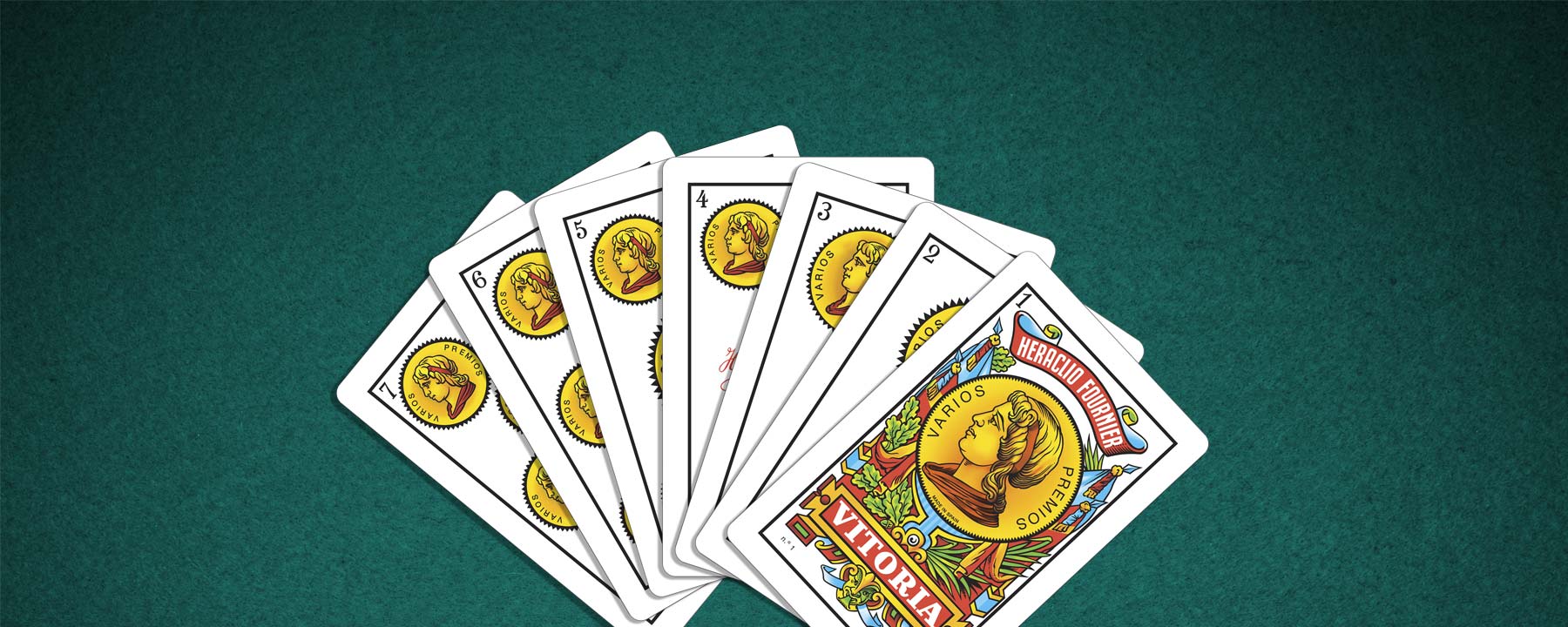
Chinchón, a captivating card game deeply rooted in Spanish tradition, offers a delightful blend of skill, strategy, and a touch of luck. Often likened to Gin Rummy, it's a game where players race to form melds, minimize their unsuited cards, and strategically close rounds to outmaneuver their opponent. Whether you're new to the world of card games or a seasoned player looking for a fresh challenge, understanding como se juega al Chinchón (how to play Chinchón) is your first step towards mastering this engaging pastime.
This comprehensive guide will walk you through everything you need to know, from the basic setup and card values to advanced closing tactics and scoring intricacies. Prepare to dive deep into the rules, discover clever strategies, and learn how to secure victory by forming powerful melds and making decisive moves.
The Essentials: Cards, Players, and the Ultimate Objective
Before you begin, let's lay the groundwork for a game of Chinchón. Knowing the core components and the ultimate goal is crucial for every aspiring player.
- Players: Chinchón is typically played by two players, making it an excellent head-to-head challenge that demands focused strategy and observation.
- Deck: While variants exist, the most common setup for a Chinchón game often uses one standard 52-card deck. Some traditional Spanish versions utilize a 40-card Spanish deck, but the 52-card deck allows for broader accessibility.
- The Wildcard: A unique feature of Chinchón is its designated wildcard. The Ace of Gold (Ace of Diamonds in a standard deck) serves as the game's comodín, or joker. This card can substitute for any other card to complete a meld, but be warned – it carries a significant point penalty if caught in your hand!
- The Objective: The overarching goal in Chinchón is twofold:
- To be the first player to force your opponent to accumulate 100 points or more.
- Alternatively, to achieve the ultimate victory by making a specific 7-card straight of the same suit without using the wildcard – known as "Hacer Chinchón."
Understanding these foundational elements is key to appreciating the flow and strategic depth of the game. For a deeper dive into the general framework of the game, explore our guide on Chinchón Card Game Rules: Master Spanish Gin Rummy.
Setting Up the Game & Understanding Your Turn
Once you have your deck and opponent ready, setting up Chinchón is quick and straightforward, initiating the suspenseful dance of draws and discards.
Initial Deal and Layout
To begin a round of Chinchón:
- Each player is dealt 7 cards face down.
- One card is placed face up on the table to start the discard pile (the "pila de descarte").
- The remaining cards are stacked face down to form the draw pile (the "mazo"). This is where players will draw new cards if the discard pile doesn't offer what they need.
The Flow of a Turn
Gameplay in Chinchón proceeds in turns, with each player executing a simple yet strategic two-part action:
- Draw a Card: At the start of your turn, you must choose to draw one card. You have two options:
- Take the top card from the draw pile (mazo). This is a blind draw, offering an unknown card that might be exactly what you need or a complete dud.
- Take the top card from the discard pile. This allows you to pick a known card, often one discarded by your opponent, which could be instrumental in forming your melds.
- Discard a Card: After drawing, you must discard one card from your hand face up onto the discard pile, passing the turn to your opponent. The card you choose to discard is a strategic decision – you want to get rid of high-point cards you can't meld, but you must also be careful not to give your opponent a card they desperately need!
This cycle of drawing and discarding continues until one player "closes" the round, or the draw pile dwindles to just two cards, signaling a re-deal without points being awarded for that round.
Mastering Melds, Layoffs, and the Art of Closing
The heart of Chinchón lies in forming melds and knowing precisely when and how to "close" a round. These actions define your strategy and determine your score.
What Are Melds (Juegos)?
Melds are combinations of cards that reduce your total hand points. There are two types:
- Sets (Tríos): Three or more cards of the same rank (e.g., three Queens, four 7s).
- Straights (Escaleras): Three or more cards of the same suit in sequential order (e.g., 4, 5, 6 of Hearts; Jack, Queen, King of Spades). Crucially, the Ace always counts as 1 for straights (e.g., Ace, 2, 3 of Clubs).
Remember, the Ace of Gold can be used to complete any of these melds, acting as a substitute for a missing card. However, its high point value makes holding it risky if it isn't part of a completed meld when the round ends.
The Critical Act of Closing (Cerrar)
Closing a round is the most impactful move you can make. It signifies that you believe your hand is strong enough to end the play and score points. To close:
- Condition to Close: After drawing a card (and before discarding), you can only close if the sum of your unmelded cards (those not part of any set or straight) is 7 points or less.
- Execution: If you meet the condition, you announce your closure and discard one card face down.
- Revealing Your Hand: You then lay out all your melds (sets and straights) on the table. Any cards not part of a meld are your "sobrantes" or leftover cards, and their points will be tallied.
Strategic Tip: Deciding when to close is a tightrope walk. Close too early, and your opponent might have a better hand; wait too long, and they might close on you, leaving you with a high-scoring hand.
The Opponent's Opportunity: Laying Off (Encajar)
Once a player has closed and displayed their melds, the opponent has a crucial opportunity to reduce their own score. The opponent must also reveal their melds. If they have any unmelded cards left, they can try to "lay off" these cards onto the closing player's melds. For example, if the closing player has a meld of 4-5-6 of Hearts, and the opponent has a 3 of Hearts, they can add it to that straight, reducing their own leftover points. This can significantly impact the final score, so always be aware of what your opponent might be able to add to your displayed melds.
Scoring: Counting Your Way to Victory (or Defeat)
At the end of each round, points are meticulously tallied. Your cumulative score determines your fate in Chinchón.
Card Point Values
Here's how cards are valued in Chinchón:
- Ace (except Ace of Gold): 1 point
- Numbered Cards (2 through 10): Face value (e.g., 2=2 points, 7=7 points, 10=10 points)
- Face Cards (Jack, Queen, King): 10 points each (assuming their role is equivalent to 10 in a standard deck, aligning with the "valor igual al número" concept for higher cards)
- Ace of Gold (Wildcard): A hefty 25 points. This is why you want to use it in a meld, not be caught with it!
Calculating Round Scores
After a player closes, and both players have laid out their melds and potentially laid off cards:
- Each player sums the points of all their unmelded cards (the "puntos sobrantes").
- This sum is then added to their running total score.
Special Scoring Bonuses and Penalties
Certain closing conditions come with significant rewards or penalties:
- Closing Without Cards (Cerrar sin Cartas): If a player successfully closes with absolutely no unmelded cards left in their hand (0 points), they get a -10 point bonus, effectively reducing their total score.
- Closing with a 7-Card Straight (with Wildcard): If a player closes without cards by forming a single 7-card straight of the same suit, and they used the Ace of Gold (wildcard) to complete it, they earn an impressive -25 point bonus.
- The Ultimate "Chinchón": This is the pinnacle of achievement! If a player closes by forming a single 7-card straight of the same suit without using the Ace of Gold (wildcard), they automatically win the entire game. No points are counted, the game ends immediately with an undisputed victor. For more on this ultimate win, see Achieve Chinchón: Win with 7-Card Straights & Score Big.
Game End Conditions
The game concludes when:
- A player achieves "Chinchón" (automatic win).
- One player accumulates 100 points or more at the end of a round. The player with the lower score at that point is declared the winner.
- The draw pile runs out (only 2 cards remaining) and no one has closed. In this scenario, the round is discarded, no points are awarded, and the cards are reshuffled for a new round.
Advanced Tips & Strategies for Mastering Chinchón
To truly excel at Chinchón, you need to move beyond just understanding the rules and embrace strategic thinking.
- Observe Your Opponent: Pay close attention to the cards your opponent picks from the discard pile and what they choose to discard. This offers valuable clues about their potential melds and high-value cards they might be holding.
- Manage High-Point Cards: The Ace of Gold (25 points) and face cards (10 points) can devastate your score if left unmelded. Prioritize forming melds with these cards or discard them early if you don't see a clear path to integrate them.
- Keep Options Open: Avoid committing to melds too early if it means sacrificing flexibility. Sometimes holding onto multiple potential combinations is better than completing one small meld that leaves you stuck.
- Strategic Discards: Don't just discard your highest card. Consider what card might be useful to your opponent. Sometimes it's better to discard a medium-value card that's unlikely to help them, even if you have a slightly higher card you could technically discard.
- When to Close? This is the ultimate strategic question.
- Early Close: If you have a low unmelded count, closing early can catch your opponent off guard, forcing them to take a high score.
- Waiting for a Chinchón: If you're close to a 7-card straight, the risk of holding on might be worth the automatic win. However, if your opponent closes first, you could be in trouble.
- Maximizing Layoffs: If your opponent closes, quickly assess their melds to see if you can lay off any of your unmelded cards to reduce your points. This is a crucial defensive maneuver.
Conclusion
Chinchón is more than just a card game; it's a test of observation, quick decision-making, and calculated risk-taking. From understanding como se juega al Chinchón to mastering its intricate melds, closing tactics, and unique scoring system, every aspect offers a layer of depth. Whether you're aiming for a casual game or a competitive match, the blend of strategy and suspense ensures that Chinchón remains a beloved card game across the Spanish-speaking world and beyond. Gather your deck, challenge an opponent, and experience the thrill of making a perfect meld or achieving the ultimate Chinchón victory!