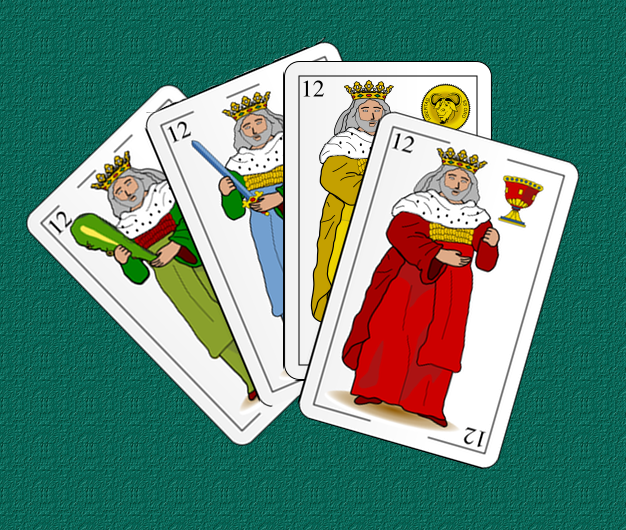
Unlocking Chinchón: Your Guide to Mastering Spanish Gin Rummy
Are you ready to delve into the captivating world of Spanish card games? Chinchón, a beloved member of the Gin Rummy family, offers a delightful blend of strategy, observation, and a dash of luck. For those wondering, Como Se Juega Al Chinchon, this comprehensive guide will walk you through every rule, nuance, and strategic insight needed to not just play, but truly master this classic game. Whether you're a complete novice or looking to refine your technique, prepare to discover the thrilling challenge of forming melds, managing residual points, and aiming for that elusive Chinchón!
Understanding the Basics: What is Chinchón and How Does it Work?
Chinchón is more than just a card game; it's a cultural staple in Spain, known by various names such as Txintxon, Chinchorro, Conga, or Golpeado. Its deep roots are evident in its connection to the Gin Rummy lineage, though it boasts unique twists that give it a distinct flavor.
The Essence of Chinchón: Objective and Players
- Players: Chinchón is typically played with two players, creating an intense head-to-head battle of wits. While multi-player variations exist, the core experience shines with just two.
- Deck: The game uses one standard Spanish deck, traditionally consisting of 40 cards (omitting 8s, 9s, and 10s). However, the rules we'll explore here specifically refer to a 52-card Spanish deck (with Aces, 2s-7s, Sotas, Caballos, and Reyes across four suits), which is also a common variant, especially when played with traditional poker decks adapted for Spanish suits.
- Objective: The primary goal in Chinchón is to manage your hand to have the lowest possible unmelded card points. The ultimate objective is to make your opponent reach 100 points or more before you do. Alternatively, if you successfully achieve "Chinchón" (a specific 7-card straight without a wild card), you win the entire game instantly!
Key Terminology: Mastering the Lingo
To truly understand como se juega al Chinchón, familiarizing yourself with these essential terms is crucial:
- Cerrar (Closing): This is the action that ends a round. A player closes by discarding a card face-down after forming all their possible melds and ensuring their remaining unmelded cards sum to 7 points or less.
- Puntos Sobrantes (Residual Points): These are the points from any cards left in your hand after you've displayed all your valid melds. Keeping these low is vital.
- Juegos (Melds): These are the valid card combinations you aim to create. There are two types:
- Sets/Trios: Three or more cards of the same rank (e.g., three 5s, four Kings).
- Runs/Straights (Escaleras): Three or more cards of the same suit in sequential order (e.g., 4, 5, 6 of Swords). In Chinchón, the Ace always counts as 1 for straights (e.g., Ace, 2, 3).
- Hacer Chinchón (Making Chinchón): This is the game's namesake and ultimate win condition. It involves forming a single, continuous 7-card straight of the same suit, without using the wild card. Achieving this results in an automatic victory.
- Cerrar sin Cartas (Closing with Zero Cards): An advantageous move where a player closes without any residual points in their hand. This typically earns a significant point deduction.
- Encajar Cartas (Laying Off): After one player closes, their opponent gets a final chance to reduce their residual points by adding their unmelded cards to the melds already played by the closing player.
- Comodín (Wild Card): In this specific variant of Chinchón, the Ace of Gold (As de Oros) serves as the wild card. It can substitute for any other card to complete a meld. However, be wary: if left unmelded, it carries a heavy point penalty.
The Flow of a Chinchón Game: Step-by-Step
Understanding the sequence of play is fundamental to learning como se juega al Chinchón.
Setting Up the Game
To begin, seven cards are dealt to each of the two players. One card is then placed face-up on the table to start the discard pile. The remaining cards form the draw pile, stacked face-down beside it.
Taking Your Turn: Draw and Discard
During each turn, a player must first draw a card. They have two options:
- Draw the top card from the face-down draw pile.
- Take the top card from the face-up discard pile.
After drawing, the player evaluates their hand to form any possible melds (juegos). Finally, they must discard one card from their hand onto the discard pile, face-up, ending their turn. This cycle of drawing and discarding continues until a player decides to cerrar (close) the round.
Pro Tip: Observing your opponent's discards and choices from the discard pile can offer valuable clues about the melds they are trying to form.
The Wild Card: The Ace of Gold (As de Oros)
The Ace of Gold (As de Oros) is a powerful tool. It can be used to complete any set or run. For example, if you have two Kings and the Ace of Gold, you can form a set of three Kings. Or, with a 5 and 7 of Cups, the Ace of Gold can act as the 6 of Cups. However, its power comes with a cost: if the Ace of Gold is left unmelded in your hand when a round ends, it will add a significant 25 points to your score, making it a high-risk, high-reward card.
Closing the Round: Cerrar and Its Implications
Closing a round is the strategic pivot point of Chinchón, and knowing when and how to do it is key to victory.
When Can You Close? The 7-Point Rule
A player can only cerrar (close) their hand if, after forming all their valid melds, their remaining unmelded cards sum to 7 points or less. This means you must have successfully integrated most of your hand into melds, leaving only a few low-value cards. Once a player has drawn a card and determined they meet this condition, they can choose to close their hand.
The Act of Closing: Discarding Face-Down
To formally close the round, the player discards one of their cards face-down. This signals to their opponent that the round is over. The closing player then lays out all their melds (juegos) on the table, along with any unmelded cards they have remaining. Remember, the total points of these unmelded cards must be 7 or less.
Opponent's Last Chance: Encajar Cartas
Once a player has closed, their opponent is then forced to reveal their hand. They must lay down any melds they have. Crucially, the opponent then has a unique opportunity to reduce their puntos sobrantes (residual points) by "laying off" (encajar cartas) any of their unmelded cards onto the melds already displayed by the closing player. For example, if the closing player laid down a run of 4, 5, 6 of Swords, and the opponent has a 7 of Swords, they can add it to that run to reduce their own residual points. This rule adds a layer of depth, as even if your opponent closes, you might still minimize the damage.
What if the Deck Runs Out?
A round can also end prematurely if the draw pile is reduced to only two cards. In this scenario, the round is considered nullified, no points are scored, and the cards are reshuffled for a new deal. This prevents situations where players are stranded without viable draws and adds a small element of luck or tactical stalling.
Scoring in Chinchón: Calculating Your Path to Victory
After a round closes and both players have displayed their melds and laid off cards, points are tallied. The ultimate goal is to keep your score below 100 while pushing your opponent past it.
Card Point Values
The value of unmelded cards is crucial for calculating residual points:
- Ace (except Ace of Gold): 1 point
- 2 through 7: Face value (e.g., a 4 of Swords is 4 points)
- Sota (Jack), Caballo (Knight), Rey (King): Face value (e.g., a Sota is 10 points in a standard 52-card Spanish deck, or specific values in a 40-card deck if used)
- Ace of Gold (Comodín / Wild Card): A hefty 25 points if left unmelded!
Calculating Residual Points
Each player sums the points of their unmelded cards. This total is then added to their cumulative score. For example, if a player has an unmelded 2 and an unmelded 5, they add 7 points to their score for that round.
Bonus and Penalties: Strategic Scoring
Chinchón features several special scoring scenarios that can dramatically impact the game:
- Cerrar sin Cartas (-10 points): If a player successfully closes with zero residual points (meaning all 7 cards in their hand were formed into melds), they receive a 10-point deduction from their overall score. This is a powerful move to put you ahead.
- Cerrar sin Cartas con Comodín (-25 points): If a player closes with zero residual points and has formed a single 7-card straight that utilized the Ace of Gold (wild card), they receive an even larger 25-point deduction. This is a rare and highly rewarding feat.
- Hacer Chinchón (Automatic Win): The most coveted outcome! If a player closes with zero residual points and has formed a single, continuous 7-card straight of the same suit without using the wild card, they immediately win the entire game, regardless of either player's current score. This is the ultimate "checkmate" in Chinchón. For more details on achieving this, refer to our guide: Achieve Chinchón: Win with 7-Card Straights & Score Big.
Mastering Chinchón: Tips for Strategic Play
Knowing como se juega al Chinchón isn't just about rules; it's about strategy. Here are some tips to elevate your game:
- Prioritize Melds: Focus on forming runs (escaleras) as they can be easier to extend and use fewer cards than sets to create a valid meld.
- Manage Residuals Aggressively: Always be aware of your unmelded card points. High-value unmelded cards like Jacks, Knights, Kings, and especially the Ace of Gold, are dangerous. Discard them strategically if they don't fit into a meld, or try to meld them quickly.
- Observe Your Opponent: Pay close attention to what cards your opponent picks up from the discard pile and what they discard. This can give you clues about the melds they are trying to build and which cards are safe or risky to discard.
- Timing the Close: Don't rush to close. While getting a -10 or -25 point bonus is great, a premature close might allow your opponent to lay off many cards and minimize their score. Conversely, waiting too long risks your opponent closing first and leaving you with a high residual score.
- Wild Card Wisdom: The Ace of Gold is a double-edged sword. Use it to complete crucial melds, especially if it helps you close. However, try to avoid having it unmelded in your hand at the end of a round.
- Go for Chinchón (Cautiously): While Hacer Chinchón is an automatic win, it's a high-risk strategy because it requires a very specific hand. Don't let the pursuit of Chinchón blind you to opportunities to close with lower residual points or a point bonus.
For more in-depth strategies on melds and closing, check out our companion article: How to Play Chinchón: Mastering Melds, Closing & Scoring.
Conclusion
Chinchón is a card game that rewards careful planning, keen observation, and strategic decision-making. By understanding the core mechanics, mastering the terminology, and applying these strategic tips, you'll be well-equipped to enjoy and excel at this classic Spanish game. Now that you know como se juega al Chinchón, gather your cards, challenge a friend, and prepare for an engaging battle of wits. ¡Buena suerte!